Common Forward Planning Mistakes on the Driving Test
Learn to Drive in Ryde with Confidence
Automatic and Manual Driving Lessons
Friendly & Patient Driving Instructors
⭐️⭐️⭐️⭐️⭐️ Rated 5/5 On Google by local learners
DVSA-Approved Driving Instructor
Why Forward Planning Matters
Forward planning is one of the most valuable skills any driver can learn — and it’s something examiners watch very closely during your driving test on the Isle of Wight.
It’s all about seeing what’s ahead, thinking early, and being ready for what might happen next.
When you plan ahead properly, your driving feels smoother, safer, and more confident — exactly what your examiner wants to see.
But when nerves take over, many learners fall into the same traps. Let’s look at the most common forward planning mistakes that happen on the Island, and how to avoid them.
1. Looking Too Close to the Car in Front
Many learners focus on what’s immediately ahead instead of scanning further up the road.
That means they react too late to changes — like parked cars, bends, or traffic lights.
Why it happens:
Nervous drivers tend to fix their gaze close to the bonnet rather than ahead.
How to avoid it:
- Keep your eyes moving — look 10–15 seconds ahead whenever possible.
- On long straight stretches (like Fairlee Road or Arreton), practise scanning ahead for brake lights, road signs, and changes in the road layout.
- Use your peripheral vision for the closer hazards — don’t stare straight down the road.
👉 Tip: The further ahead you look, the more time you have to plan and react calmly.
2. Not Spotting Hazards Early Enough
Examiners expect you to see hazards before they become a problem.
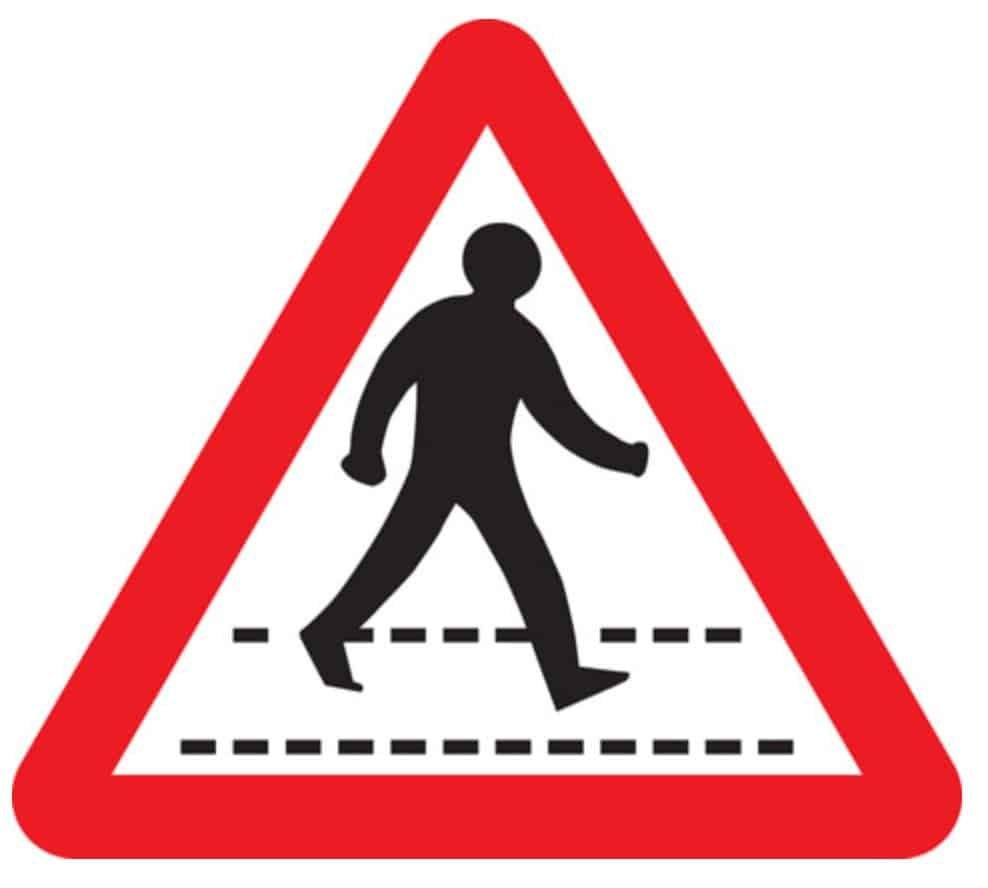
That could be a parked car with its wheels turned, a pedestrian near a crossing, or a cyclist weaving slightly.
Why it happens:
Learners often drive reactively — they notice things only when they’re already close.
How to avoid it:
- Look for clues: brake lights, wheel movement, pedestrian body language, or a car door opening.
- Anticipate what could happen, not just what is happening.
- Practise predicting — for example, “That van might move soon,” or “Those children could step out.”
On Newport’s town centre roads, this skill is vital — especially around busy pedestrian areas.
3. Leaving Everything Too Late
Poor forward planning often leads to last-minute braking, gear changes, or signalling.
That creates jerky, rushed driving and shows the examiner that you’re reacting instead of planning.
Why it happens:
Learners get nervous or focus on one task (like steering) instead of thinking ahead.
How to avoid it:
- Start planning early: mirror, signal, position, speed, look.
- Approach hazards slowly enough to give yourself options.
- Use engine braking and gentle steering to stay smooth and in control.
For example, if you see a bend or parked cars on Shanklin Road, start adjusting speed well in advance — not when you’re already there.
4. Not Using Mirrors Properly
Good forward planning isn’t just about what’s ahead — it’s also about what’s behind.
Failing to check mirrors before slowing, changing lanes, or turning can cost you marks.
Why it happens:
Learners concentrate on what’s in front and forget rear awareness.
How to avoid it:
- Build the habit: check mirrors every time you change speed or direction.
- Use your interior mirror first, then door mirrors.
- Practise mirror checks at set points (e.g. before junctions, overtakes, or roundabouts).
On the Isle of Wight’s narrow lanes, mirrors are vital — especially when cyclists or motorbikes are nearby.

5. Failing to Anticipate Other Road Users
Forward planning includes predicting how others might behave — and that’s something examiners always assess.
Common examples:
- A driver turning without signalling.
- A horse rider or cyclist needing extra space.
- A car reversing from a driveway.
How to avoid it:
- Keep an eye on body language: wheel angles, brake lights, or pedestrians glancing across the road.
- On rural Island roads, be extra alert for hidden hazards around bends or near hedgerows.
- Stay calm — hesitation is fine if you’re clearly thinking, not panicking.
6. Ignoring Road Signs and Markings
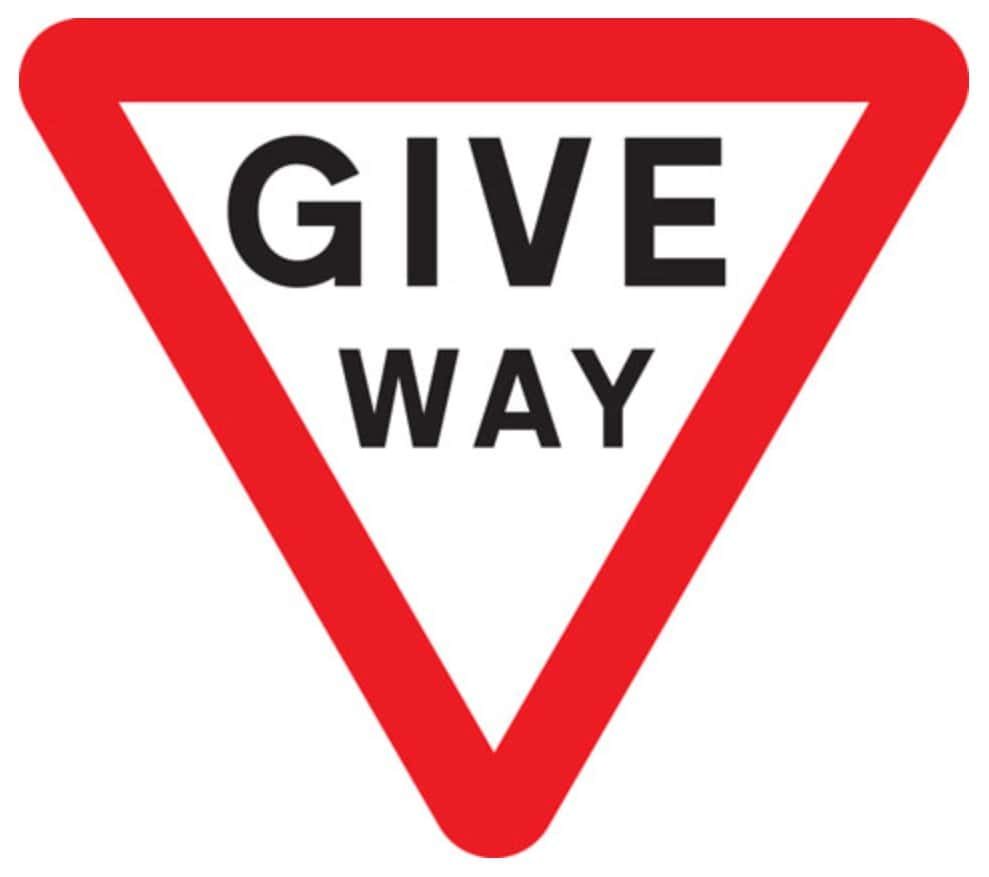
Signs give early warnings about junctions, speed limits, or hazards ahead — all crucial for planning.
Why it happens:
Learners often focus too much on the road itself and miss what signs are telling them.
How to avoid it:
- Read every sign and use it to prepare early.
- In Newport or Ryde, signs often give lane guidance before roundabouts — use them to get in position early.
- Slow down slightly near signposts to give yourself time to interpret them.

7. Overthinking and Hesitating
Planning ahead doesn’t mean over-analysing every situation. Too much hesitation can make examiners think you lack confidence.
Why it happens:
Learners second-guess themselves and wait too long even when it’s clearly safe to go.
How to avoid it:
- Trust your training and instincts.
- Make decisions steadily and smoothly — not rushed, but not frozen either.
- Remember: examiners prefer a calm, positive move over a hesitant one.
Stay Calm, Think Ahead
Forward planning is about being prepared, not being perfect.
The best drivers — and the ones who pass their test — are those who stay calm, notice what’s happening early, and make smooth, safe choices.
The Isle of Wight’s mix of rural, coastal, and town driving gives you the perfect environment to practise. Every lesson helps you build awareness, timing, and confidence.
How Humphreys Driving Lessons Helps
At Humphreys Driving School, we teach forward planning and anticipation from your very first lesson.
Your instructor will help you:
- Look further ahead and spot clues early
- Anticipate hazards on rural and urban roads
- Make smooth, confident decisions
- Avoid last-minute reactions during your test
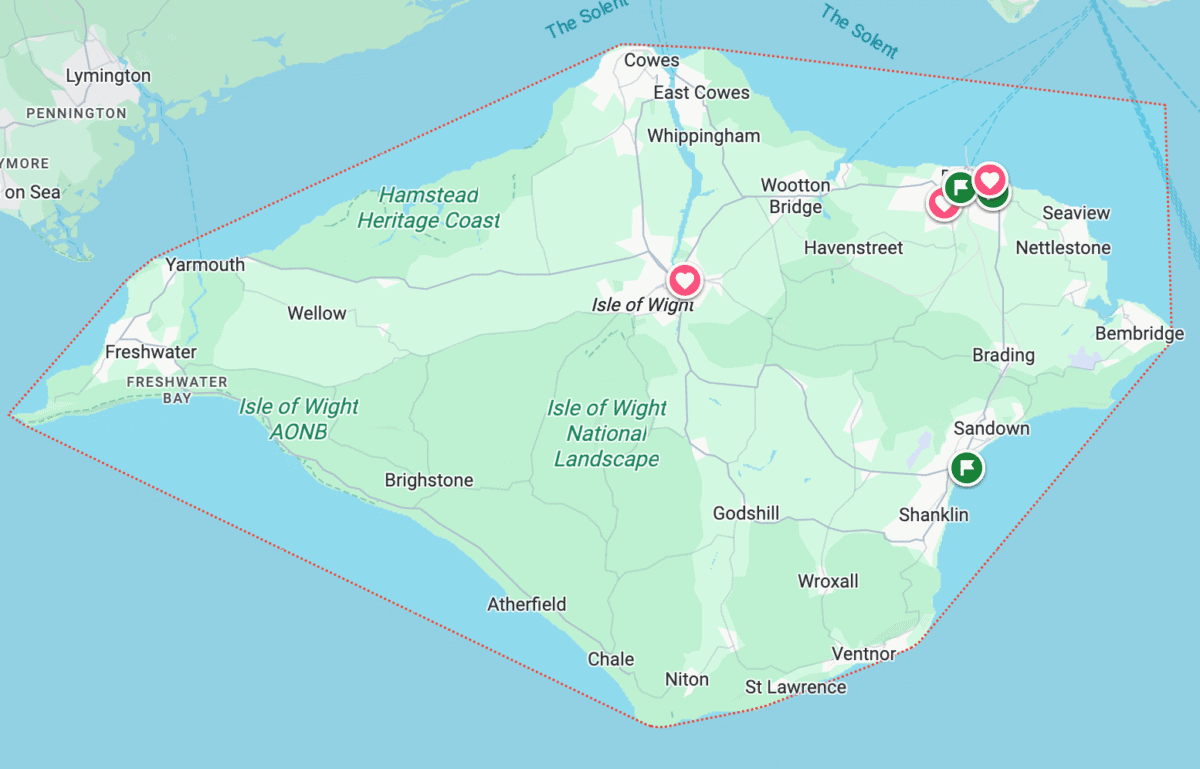
We’ll practise real-life scenarios around Newport, Ryde, Cowes, and Sandown, helping you turn good observation into safe, natural driving habits.
Ready to Think Like a Safe Driver?
Learning to plan ahead doesn’t just help you pass your test — it makes you a more confident and relaxed driver for life.
👉 Book your driving lesson today and start building the awareness and anticipation skills that keep you safe on every journey across the Isle of Wight.
forwardHome