Automatic vs Manual Driving Lessons
Driving Lessons Isle of Wight
Friendly & Patient Driving Instructors
⭐️⭐️⭐️⭐️⭐️ Rated 5/5 On google by local learners
DVSA-Approved Driving Instructor
Automatic vs Manual Driving Lessons
Automatic vs Manual Cars, deciding whether to learn to drive a manual or an automatic car is a common dilemma for new drivers in the UK, and there are strong arguments for both. Here’s a breakdown to help you make your choice:
The UK Driving Licence Implication is Key
This is the most crucial point:
- Pass in a Manual: Your driving licence will allow you to drive both manual and automatic cars. This gives you maximum flexibility for future car ownership, rentals, and borrowing vehicles.
- Pass in an Automatic: Your driving licence will have an endorsement (code 78) restricting you to driving only automatic vehicles. If you later decide you want to drive a manual, you’d need to take additional lessons in a manual car and pass another driving test.
Learn to Drive an Automatic Car
Pros:
- Easier to Learn: Without the clutch pedal and manual gear stick, there’s less coordination required. This often leads to quicker progress, fewer lessons, and potentially a faster test pass. You can focus more on road awareness, steering, and hazard perception.
- Less Stressful in Traffic: Stop-and-go traffic (common in places like Ryde town centre or ferry queues) is far less taxing in an automatic, as you don’t need to constantly shift gears or worry about stalling.
- Smoother Ride: Automatic transmissions typically provide a smoother, more seamless acceleration without the jerks that can occur during manual gear changes.
- Increasing Popularity: Automatic cars are becoming more common, especially with the rise of electric vehicles (which are almost universally automatic). If you envision driving newer cars or EVs in the future, an automatic licence aligns well.
- Easier Hill Starts: Automatic cars won’t roll back on hills, simplifying a common challenge for new drivers.
Cons:
- License Restriction: As mentioned, you’ll be limited to driving automatics unless you take another test. This can be a significant limitation if you need to drive a manual for work, rent one abroad, or borrow a friend’s car.
- Limited Car Choices: While automatics are gaining ground, manual cars still offer a wider variety of models, particularly in the used car market, and often at lower prices.
- Potentially Higher Costs: Automatic cars can sometimes be more expensive to buy, insure, and repair due to their more complex technology.
- Less Engaging for Some: For those who enjoy a more “involved” driving experience and feeling completely in control of the vehicle’s mechanics, an automatic can feel less engaging.


Learn to Drive a Manual Car
Pros:
- Full Licence Flexibility: This is the biggest advantage. A manual licence means you can drive any car, manual or automatic. This is incredibly practical for buying used cars, renting vehicles when travelling, or borrowing from friends and family.
- Wider Car Availability: Manual cars are still very common, especially in the UK and Europe, giving you more options when it comes to purchasing or hiring vehicles.
- Often Cheaper to Buy: Manual versions of cars are typically less expensive than their automatic counterparts.
- More Control: Many drivers feel they have a greater sense of control over the car’s power delivery and engine braking in a manual, which can be beneficial in certain conditions (e.g., on steep hills or icy roads).
- More Engaging Driving Experience: For some, the active process of shifting gears makes driving more enjoyable and gives a feeling of truly “driving” the car.
- Potentially Better Fuel Economy (Historically): While modern automatics are very efficient, historically, manuals could offer slightly better fuel economy. This gap is closing, but a well-driven manual can still be efficient.
Cons:
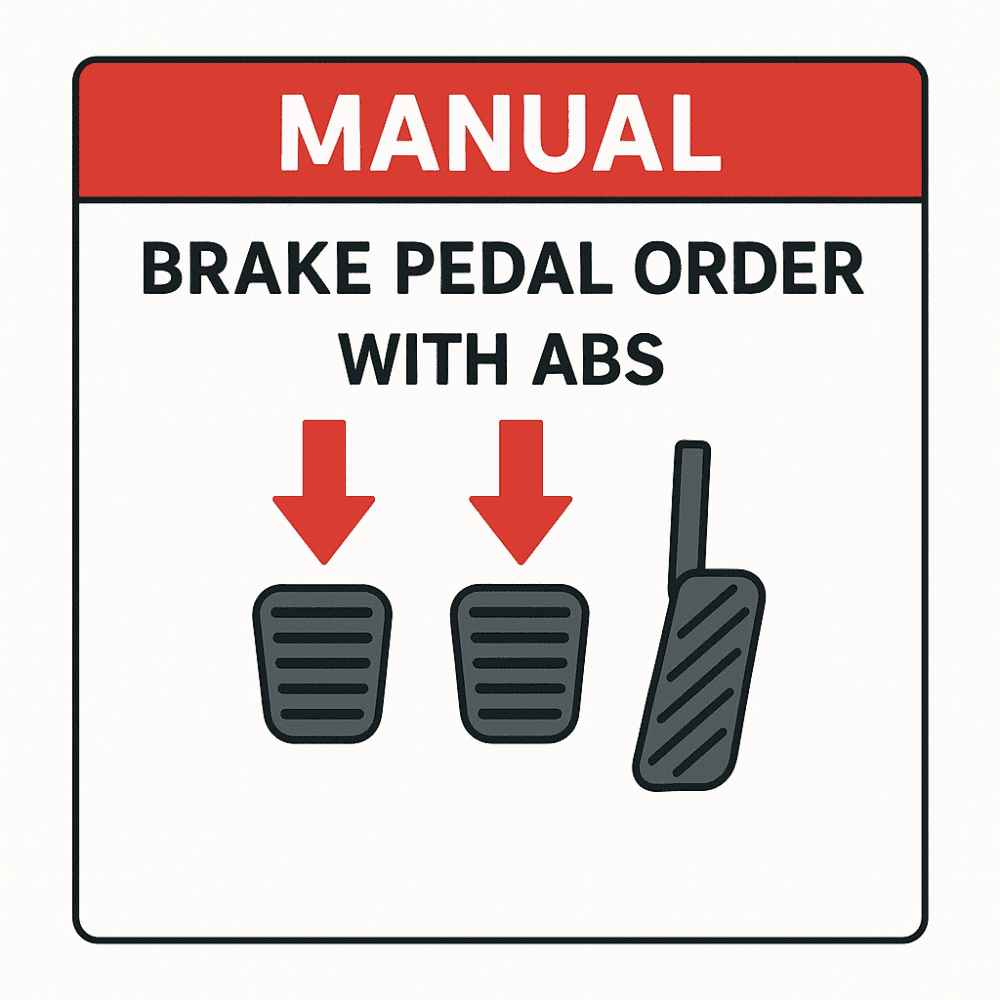
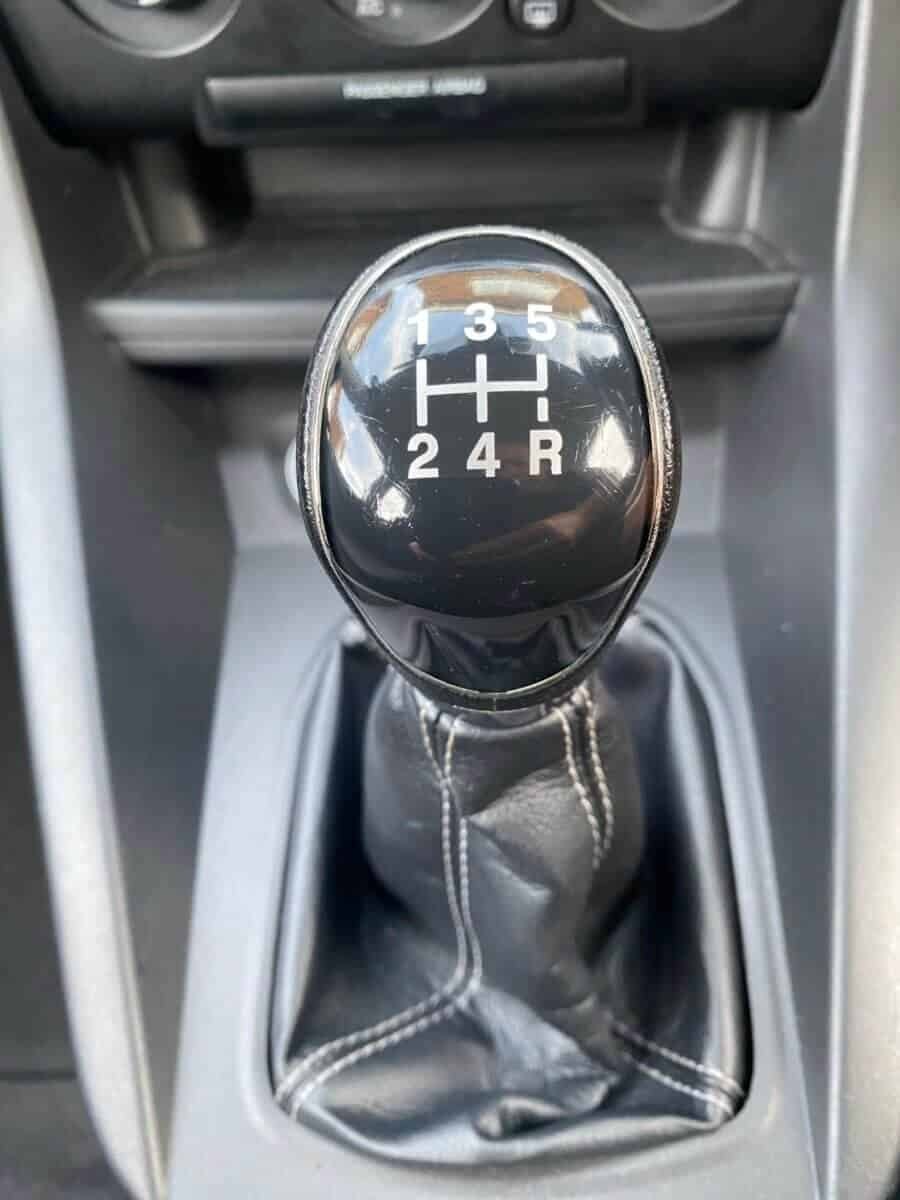
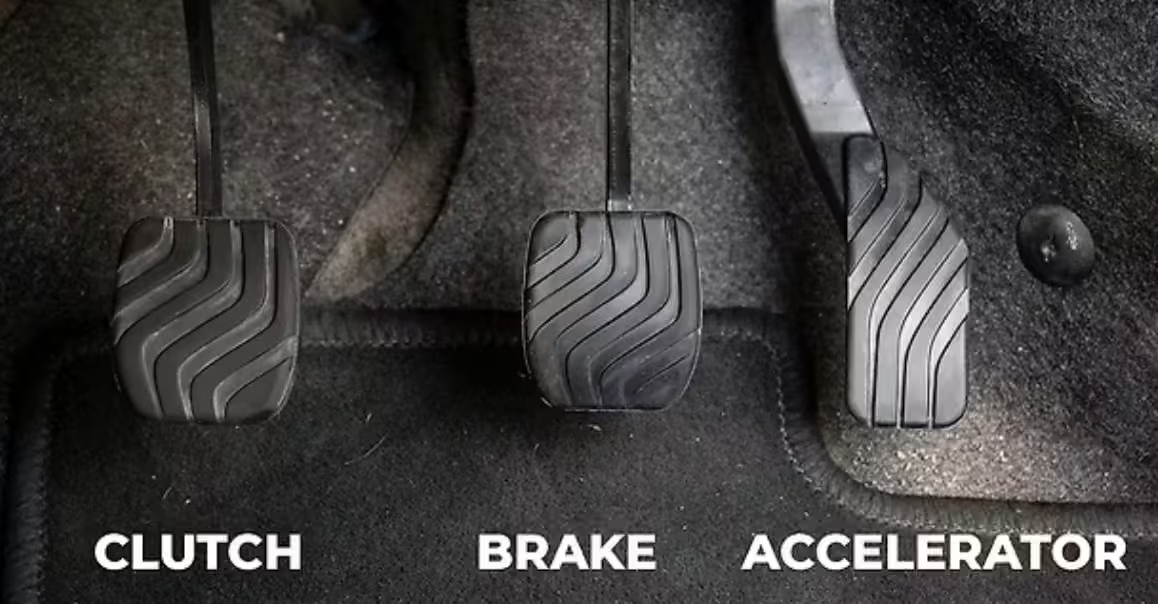
- Steeper Learning Curve: Mastering clutch control and smooth gear changes takes time, practice, and coordination. This often means more lessons and a longer period before you’re ready for your test.
- More Challenging in Traffic: Constantly engaging the clutch and shifting gears in heavy traffic can be tiring and frustrating. Hill starts in traffic can also be daunting for beginners.
- Risk of Stalling: New manual drivers frequently stall the car, which can be embarrassing and disruptive, especially at busy junctions.
- More Complex Driving: It requires more multi-tasking and coordination of hands and feet.
- Potential for Wear and Tear: Improper use of the clutch can lead to premature wear, which can be an expensive repair.
So, Which Should You Choose?
- Choose Automatic if:
- You want the quickest and easiest path to getting your licence.
- You feel anxious about learning to drive or struggle with coordination.
- You anticipate driving primarily in urban areas with heavy traffic.
- You only plan to drive newer cars or electric vehicles in the future.
- You have a physical disability that makes operating a clutch difficult.
- Choose Manual if:
- You want the most flexibility and freedom in the types of cars you can drive.
- You’re on a tighter budget for buying a car after passing your test.
- You enjoy a more hands-on and engaging driving experience.
- You’re prepared for a slightly longer and potentially more challenging learning process.
- You might need to drive a wider variety of cars (e.g., for work, rentals, or borrowing).
Recommendation:
If you are unsure, it’s generally recommended to learn manual if you can. The flexibility of being able to drive both types of cars is a significant advantage in the long run. Even if you end up buying an automatic, having the manual licence gives you options.
However, if the thought of learning a manual causes significant anxiety or you need to get on the road as quickly as possible for practical reasons (like a job), then learning automatic is a perfectly valid and increasingly popular choice. There’s no shame in it – the most important thing is to become a safe and confident driver.
Consider speaking with local driving instructors in Ryde. They can often offer an introductory lesson in both types of cars to help you get a feel for which suits you best.
❓ FAQs: Choosing Your Driving Lessons
1. What is the single biggest difference between passing in a manual vs. an automatic?
The licence you receive. If you pass your test in a manual car, your licence allows you to drive both manual and automatic vehicles. If you pass in an automatic car, your licence will restrict you to driving only automatic vehicles.
2. If I pass in an automatic, can I ever drive a manual car?
Yes, but you would need to take lessons in a manual car and then pass another practical driving test in a manual vehicle. Your automatic-only restriction would then be removed.
3. Is it really that much easier to learn in an automatic?
For most people, yes. Learning in an automatic eliminates the need to master clutch control and gear shifting. This allows you to focus all your attention on road awareness, steering, hazard perception, and traffic rules, which often leads to quicker progress and fewer lessons.
4. I’m very anxious about learning to drive. Is automatic a better choice?
It can be an excellent choice for nervous drivers. By simplifying the mechanics of driving, an automatic car can feel less overwhelming, helping you build confidence more quickly. It removes common worries like stalling the car at a busy junction or rolling backwards on a hill.
5. Which option is cheaper: learning manual or automatic?
It’s a trade-off:
Lessons: Automatic lessons can sometimes be slightly more expensive per hour, but you will likely need fewerlessons overall, which could make the total cost to pass your test cheaper.
Cars: Manual cars are often cheaper to buy than their automatic equivalents, especially on the used market
6. Are manual cars disappearing? Should I just learn automatic for electric cars?
All-electric vehicles (EVs) are automatic, so an automatic licence is all you’ll need to drive them. However, manual cars are still extremely common in the UK and Europe, particularly in the used car market and for rental cars. Learning manual gives you the most options, allowing you to drive everything—from older petrol/diesel cars to new EVs.
7. I live in a busy town with lots of traffic. Is learning manual a bad idea?
It can be more challenging. Driving a manual in stop-and-go traffic requires constant use of the clutch and gears, which many drivers find tiring. An automatic car handles this for you, making driving in heavy traffic (like town centres or ferry queues) much less stressful.
8. I still can’t decide which to choose. What should I do?
The best way to decide is to try both. Contact a local driving instructor who offers both manual and automatic lessons. They can often provide an introductory lesson in each type of car, allowing you to get a real feel for the difference before you commit.
Apply for you first provisional driving licence here: DVSA
Call us: 📞 07840 313390
Send an Enquiry
Or, fill in the form below. Providing your post code helps me check my availability in your area so I can suggest possible lesson slots when I contact you.