How to Do the Emergency Stop: UK Driving Test Guide
Learn to Drive in Ryde with Confidence
Automatic and Manual Driving Lessons
Friendly & Patient Driving Instructors
⭐️⭐️⭐️⭐️⭐️ Rated 5/5 On Google by local learners
DVSA-Approved Driving Instructor
The “Emergency Stop” (also called the Controlled Stop) is a routine often tested on the UK driving test. Around 1 in 3 candidates are asked to perform it. The purpose is to show the examiner you can stop the car quickly, safely, and under full control.
Below is a full, clear guide on how to perform the emergency stop in both manual and automatic cars.
✅ What the Examiner Will Do
- The examiner will ask you to pull over and stop on the left (as usual).
- They will explain:
“Shortly, I’ll ask you to stop the car as quickly and safely as possible. When I give the signal, please stop immediately.” - You must then drive on as normal.
- The examiner will look over their right shoulder and then sharply say “STOP!” while raising their hand.
Your job is to react promptly but safely.
🚗 Emergency Stop in a Manual Car
1. Prepare Your Hands & Awareness
- Hold the wheel in your normal driving position (10-to-2 or 9-and-3).
- Stay alert and watch ahead—no covering the brake unless conditions are risky.
2. The Signal to Stop
When the examiner shouts “STOP!”:
✅ Step 1 — Brake Firmly
- Immediately press the brake pedal firmly.
- Do not glance in your mirrors (the examiner ensures it’s safe).
- Use a strong, progressive force so the car stops as quickly as possible without locking up.
✅ Step 2 — Clutch Down
- Press the clutch and brake together at the same time. Modern cars with ABS are designed for this, and it ensures a quick, controlled stop without risking a stall.
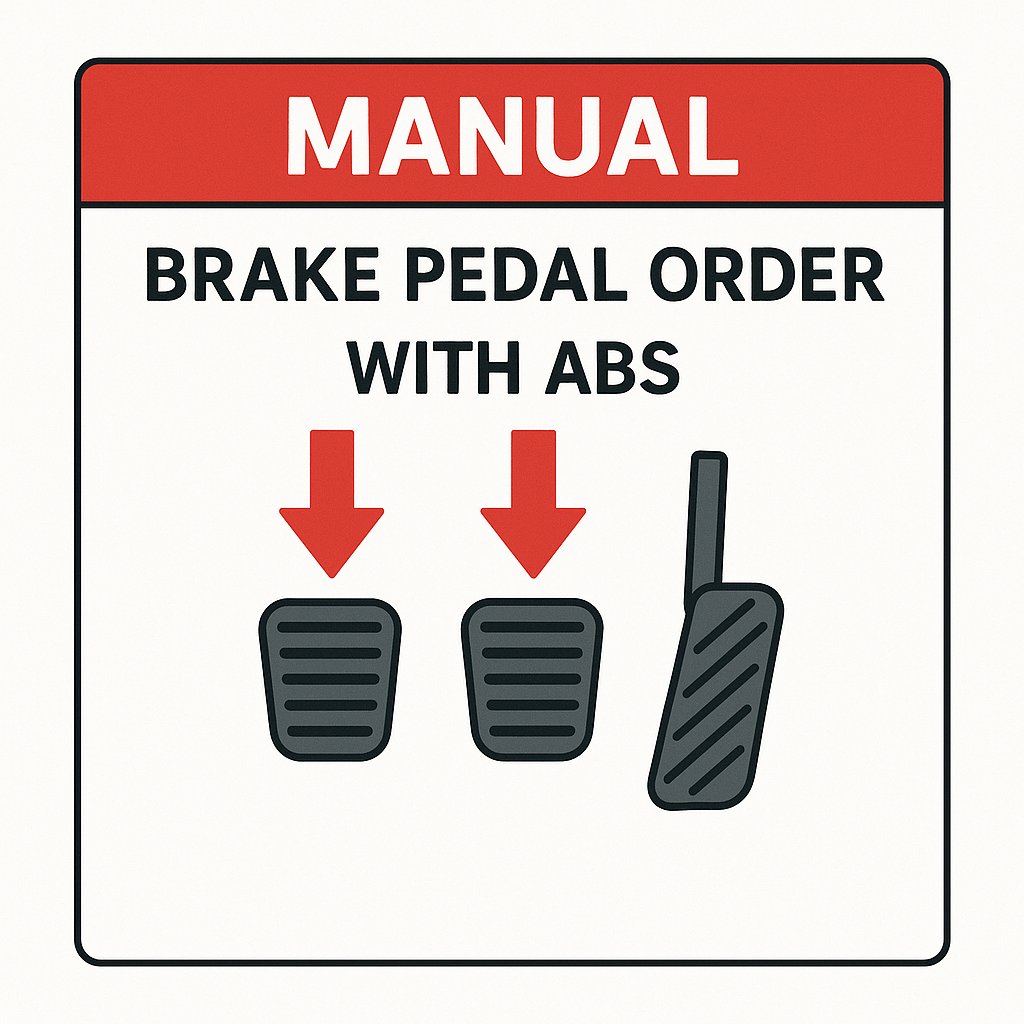
✅ Step 3 — Keep Both Hands on the Wheel
- Except when using the handbrake afterwards, your hands stay firmly on the wheel.
3. After the Car Stops
✅ Step 4 — Apply Handbrake & Neutral
- Apply the handbrake.
- Select neutral.
✅ Step 5 — Relax the Pedals
- Release the footbrake so your brake lights don’t dazzle drivers behind.
4. Moving Off Again
The examiner will say “Thank you, drive on when you’re ready.”
- Prepare the car as normal: first gear, clutch to biting point, full observations.
- Check all around, including blind spots.
- Move off safely.
🚘 Emergency Stop in an Automatic Car
The core idea is the same: brake firmly and quickly. However, without the clutch to worry about, the process is simpler.
✅ Steps in an Automatic
✅ Step 1 — Brake Firmly
- As soon as the examiner signals, press the brake pedal firmly.
- The car will automatically manage the gears.
✅ Step 2 — Keep Both Hands on the Wheel
- As with a manual, keep both hands on the wheel during the braking phase.
✅ Step 3 — Once Stopped
- Apply the handbrake.
- Move the selector to P (Park) or N (Neutral) depending on instructor/tester advice (both are acceptable; many instructors prefer P for stability).
✅ Step 4 — Footbrake Off
- Release the footbrake once the handbrake is secure.
✅ Moving Off in an Automatic
- Select D (Drive).
- Full observations, including blind spots.
- Move off smoothly.
⚠️ Important Tips for the Driving Test
- The examiner is checking speed of reaction, strength of braking, and control.
- ABS (anti-lock brakes) may activate—this is normal; keep braking firmly.
- Do not look in your mirrors at the moment of the command.
- Keep the car straight—don’t over-steer during the stop.
- Avoid pressing the clutch too early in a manual.
❓ Frequently Asked Questions
Q: Will I definitely be asked to do the emergency stop on my test?
A: No. It’s not guaranteed. You have approximately a 1 in 3 chance of being asked to perform the emergency stop.
Q: Will I fail if I stall the car (in a manual)?
A: Not necessarily! Stalling itself is not an automatic fail. The examiner is looking for your control after the stall. If you secure the car, restart the engine, and move off safely (with all your checks), you will likely just get a minor driving fault, or sometimes no fault at all.
Q: Why must I press the clutch and brake together in a manual? I was told to brake first.
A: For a normal, planned stop, you would brake first and use the clutch later. But for an emergency stop, pressing both at the same time is the safest method. It prevents the engine from stalling and, most importantly, allows the Anti-Lock Braking System (ABS) to work properly without interference from the engine.
Q: What is that pulsing or juddering feeling I feel through the brake pedal?
A: That is the Anti-Lock Braking System (ABS) working! It’s completely normal. It means the system is rapidly applying and releasing the brakes to prevent the wheels from locking up, allowing you to keep steering control. Don’t be alarmed—keep your foot firmly on the pedal.
Q: What is the most common reason to fail this manoeuvre?
A: There are two common reasons. The first is a lack of control during the stop (e.g., skidding or swerving). The second, and far more common, is forgetting to do all-round checks after the stop. Once the examiner asks you to move on, you must check your mirrors and blind spots before pulling out, as you are now responsible for your own safety.
Q: Will the examiner try to trick me?
A: Absolutely not. The examiner will always warn you first by saying they will be asking you to perform the stop soon. They will also only give you the signal when it is safe to do so (e.g., no one is following closely behind).
Q: How hard do I really need to brake?
A: You need to brake firmly and progressively. It should be much harder than a normal stop. The goal is to stop “quickly and safely.” Don’t be afraid to apply significant pressure, but avoid stamping on the pedal so hard that you lose control.
Apply for your Provisional driving Licence Here: DVSA
Call us on: 📞 07840 313390
Send an Enquiry
Or, fill in the form below. Providing your post code helps me check my availability in your area so I can suggest possible lesson slots when I contact you.
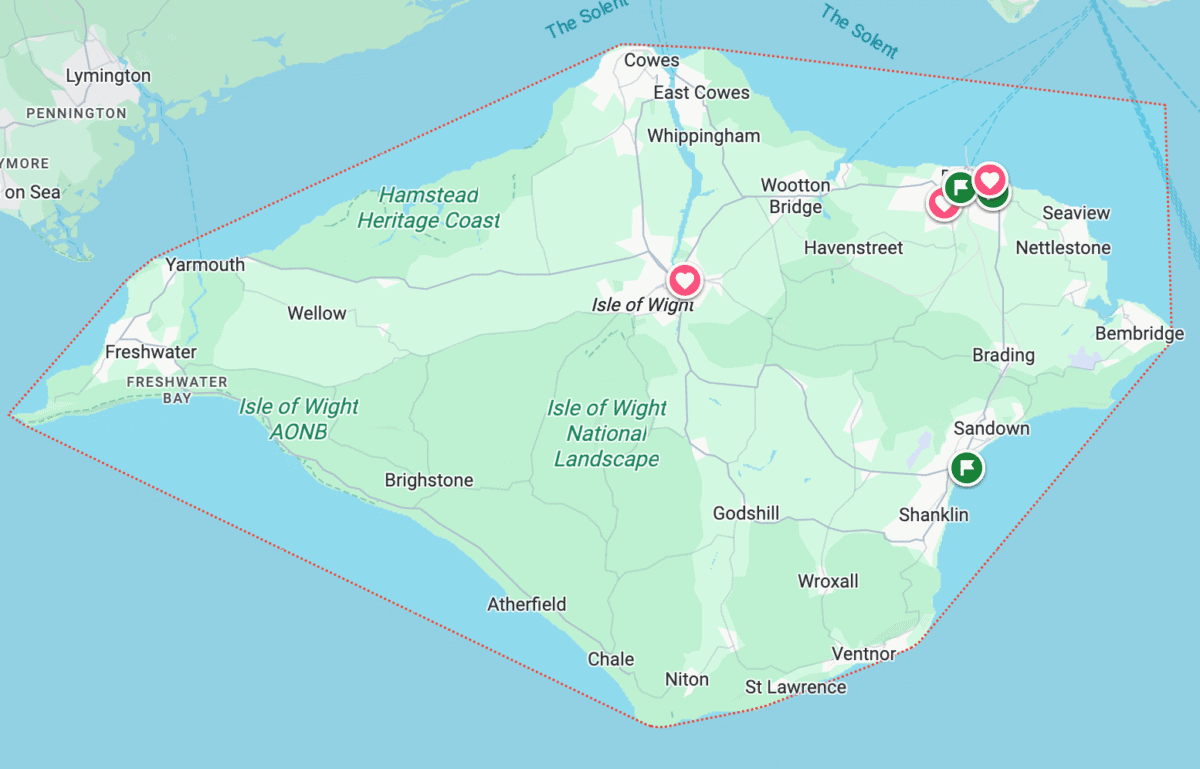
Driving Lessons Across the Isle of Wight
Humphreys Driving School is based in Ryde but covers towns and villages across the island.
Ryde, Brading, East Cowes, Newport, Sandown, Shanklin, Seaview, St Helens Wootton Bridge, Ventnor, Bembridge