Dealing with Roundabouts on the Isle of Wight
Automatic and Manual
Friendly & Patient Driving Instructors
⭐️⭐️⭐️⭐️⭐️ Rated 5/5 On Google by local learners
DVSA-Approved Driving Instructor
Understanding Roundabouts
Roundabouts are designed to keep traffic flowing smoothly and safely — but for learner drivers, they can sometimes feel confusing or fast-paced.
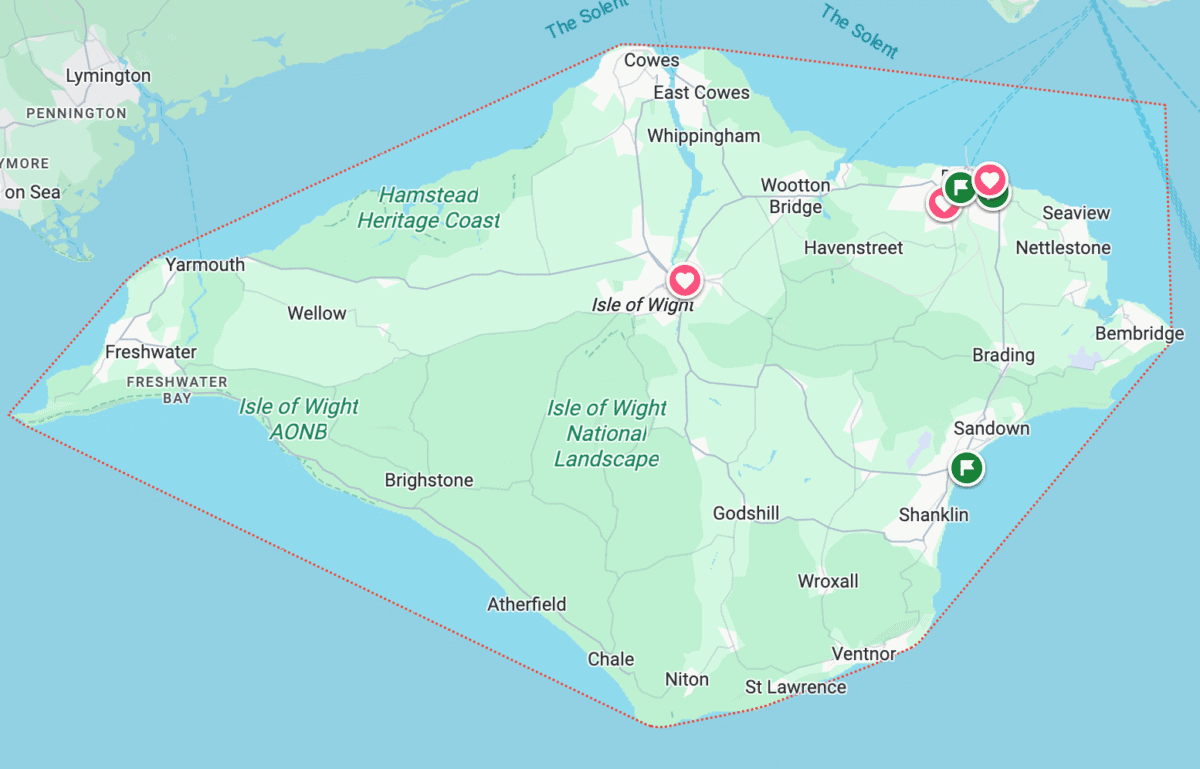
On the Isle of Wight, you’ll find a mix of:
- Mini-roundabouts in towns like Ryde, Shanklin and Sandown
- Multi-lane roundabouts like Coppins Bridge in Newport
- Rural single-lane roundabouts on A-roads such as at Lake or Arreton
Learning how to approach, position, signal, and exit roundabouts correctly is a key part of becoming a confident, safe driver — and it’s something we focus on in every lesson.
The Golden Rule: Give Way to the Right
At all roundabouts — large or small — you must give way to traffic coming from your right, unless road markings or traffic lights tell you otherwise.
That means:
- As you approach, slow down and check to the right
- If a vehicle is already on the roundabout or close enough to cause you to stop, wait
- If it’s clear, go when it’s safe, without hesitation
Smooth, confident judgment comes with practice — and your instructor will help you develop that awareness on local roads.
Approaching a Roundabout: Step-by-Step
- Look Ahead Early
Spot the roundabout signs in good time — this gives you plenty of time to plan your lane and speed. - Check Mirrors and Signal
Use the MSPSL routine (Mirrors – Signal – Position – Speed – Look) as you approach. - Choose the Correct Lane
- Left lane: for turning left or going straight ahead
- Right lane: for turning right or going full circle
- Always follow lane markings and arrows — especially important at Coppins Bridge, where each exit has a clearly marked approach lane.
- Control Your Speed
Approach slowly enough to stop if necessary, but keep rolling if it’s clear — this keeps traffic flowing smoothly. - Look Right, Ahead and to the Left
Judge gaps carefully and join only when it’s safe.
Signalling Correctly
Signalling at roundabouts helps others know what you’re doing. Here’s how:
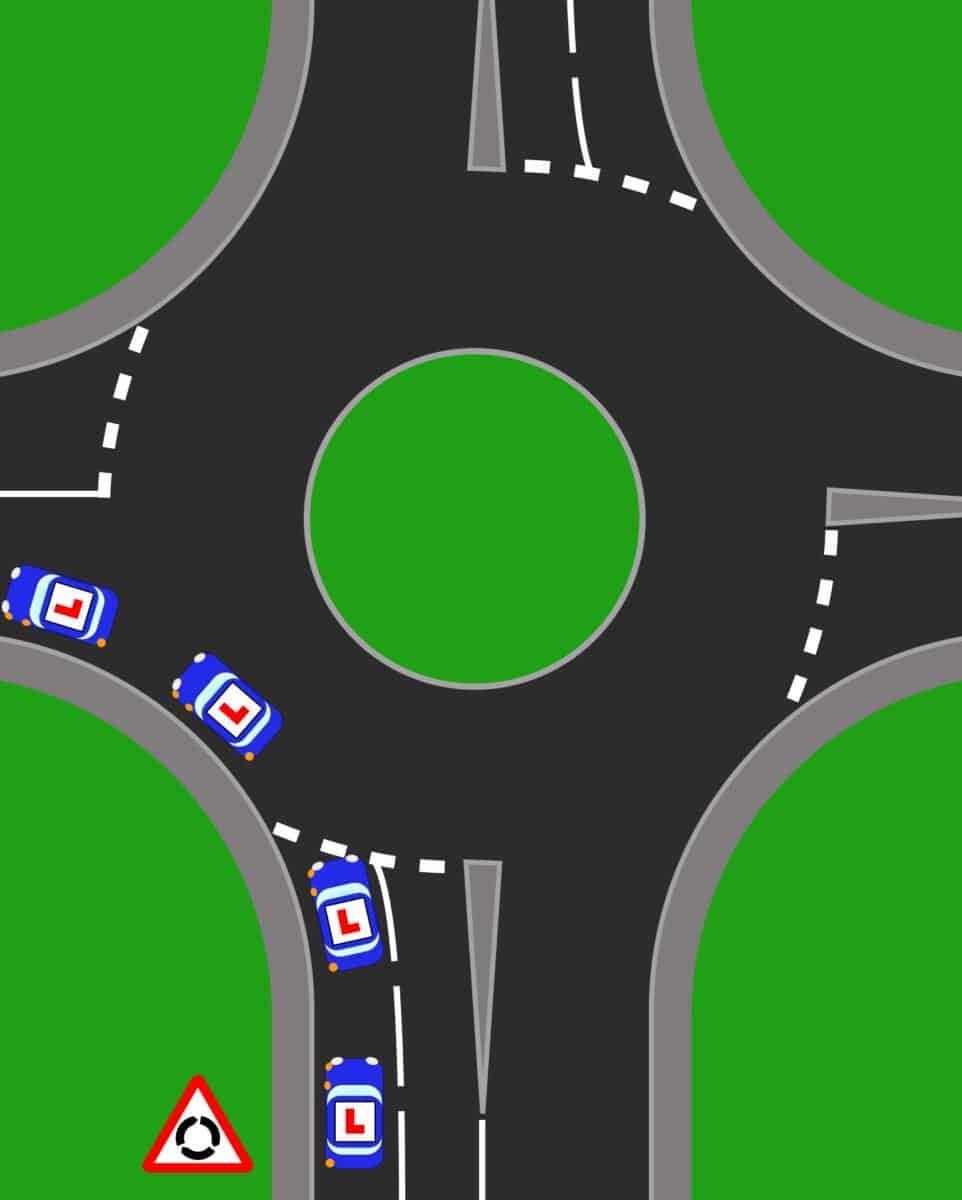
Turning left (first exit):
Signal left on approach and keep it on until you leave.
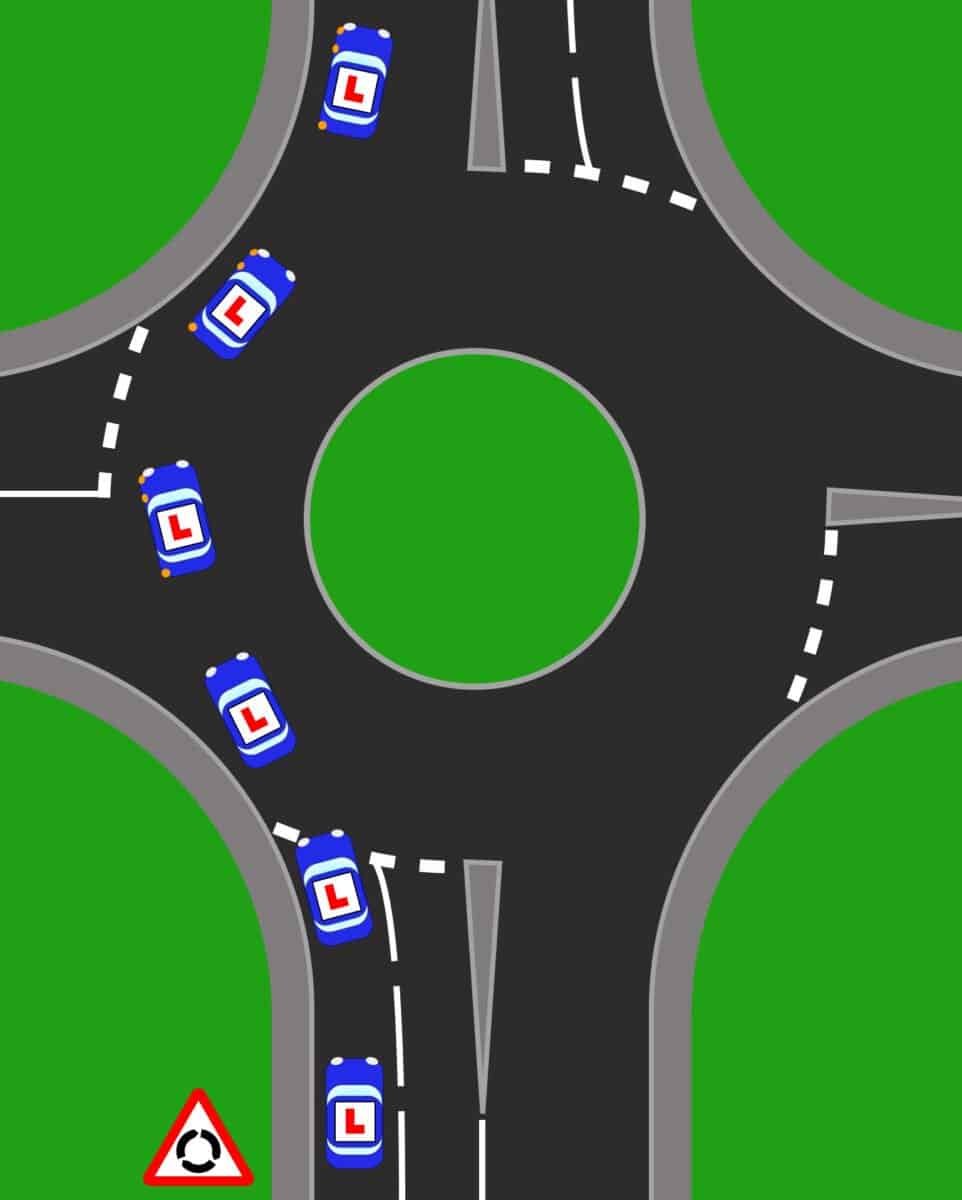
Going straight ahead (usually the second exit):
No signal on approach.
Signal left just after you pass the exit before yours.
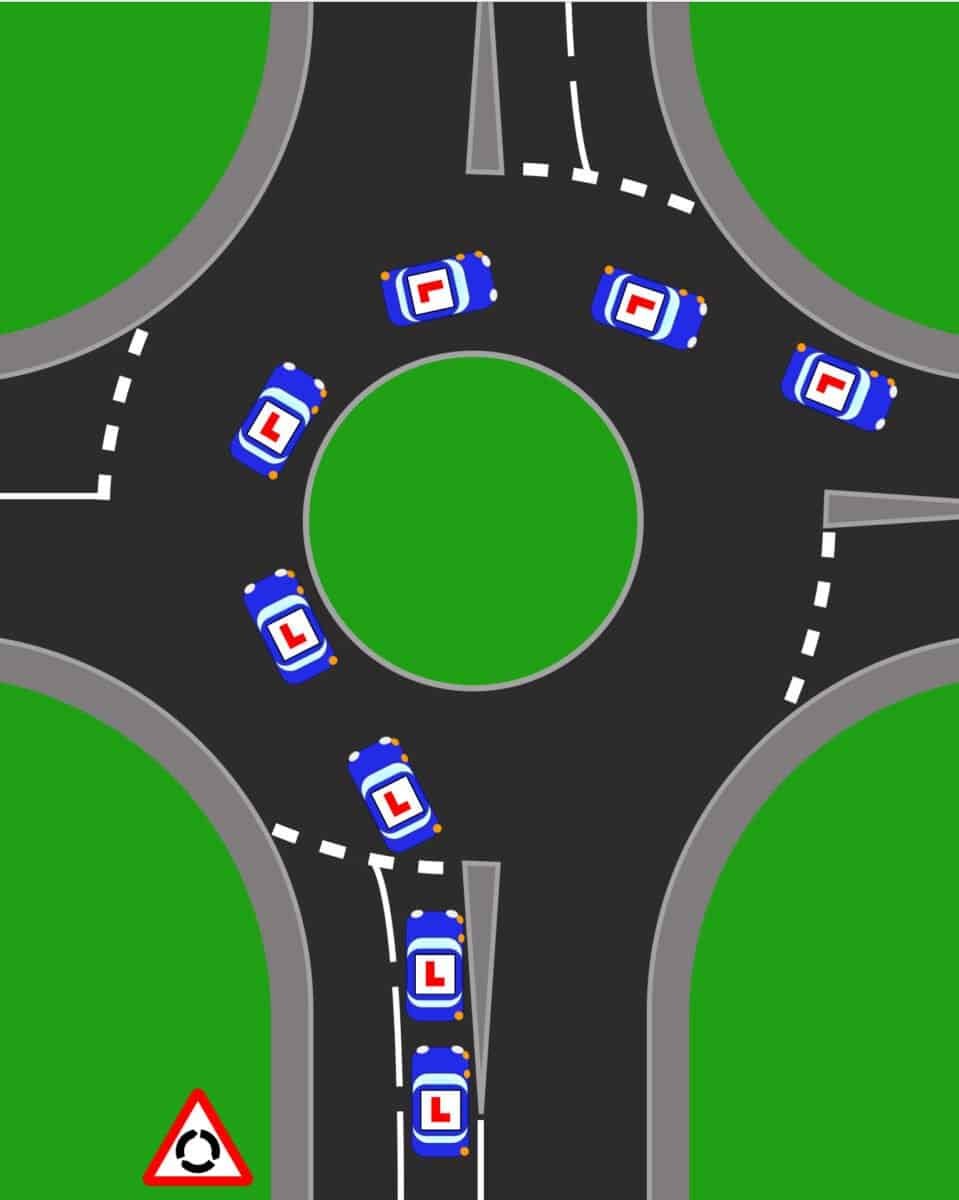
Turning right (third exit or more):
Signal right on approach.
Keep to the right lane.
Signal left after passing the exit before yours.
Mini-Roundabouts
Mini-roundabouts are very common on the Isle of Wight — especially around Sandown, Shanklin, Ryde and Newport.
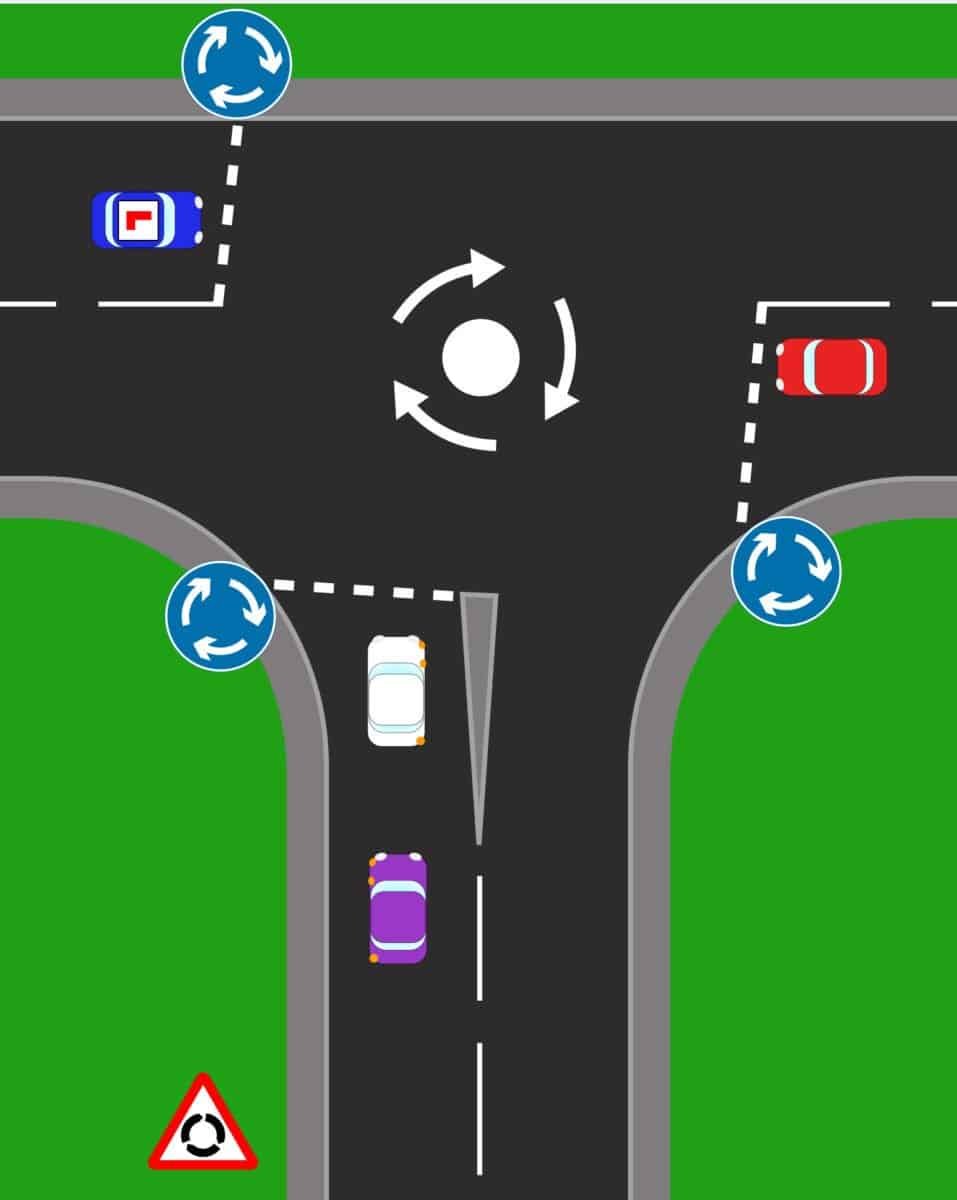
Key points:
- Treat them as normal roundabouts: give way to the right.
- Drive around the white circle — don’t cut across it unless the road layout forces you to.
- Watch for vehicles approaching from all sides, particularly from narrow residential roads.

Mini-roundabouts test your observation and timing, which are key skills for your driving test.
When to Give Way or Wait
Always give way if:
- A vehicle is approaching from your right and could reach the roundabout before you.
- Another driver has already committed to entering from your right.
- You’re uncertain whether it’s safe — it’s better to pause than to rush.
However, don’t over-wait. If it’s clear and safe, move off promptly — hesitation can confuse other drivers and hold up traffic.
Common Mistakes to Avoid
- Looking only to the right – remember to keep scanning all around.
- Forgetting to cancel signals – always cancel after leaving.
- Changing lanes on the roundabout without checking mirrors – especially dangerous on multi-lane roundabouts.
- Rushing the approach – take your time and plan early.
Your instructor will help you avoid these habits through calm, structured practice.
Coppins Bridge, Newport – A Local Example
Coppins Bridge is one of the busiest roundabouts on the Island and a common route on driving tests.
It’s a multi-lane, multi-exit roundabout connecting the A3020, A3054, and Newport town centre.
To navigate it safely:
- Follow the lane signs early — they’re clearly marked for each destination.
- Keep to your lane throughout — avoid drifting across lines.
- Watch for traffic merging or changing lanes suddenly.
- Stay calm and plan one step at a time — approach, enter, then exit confidently.
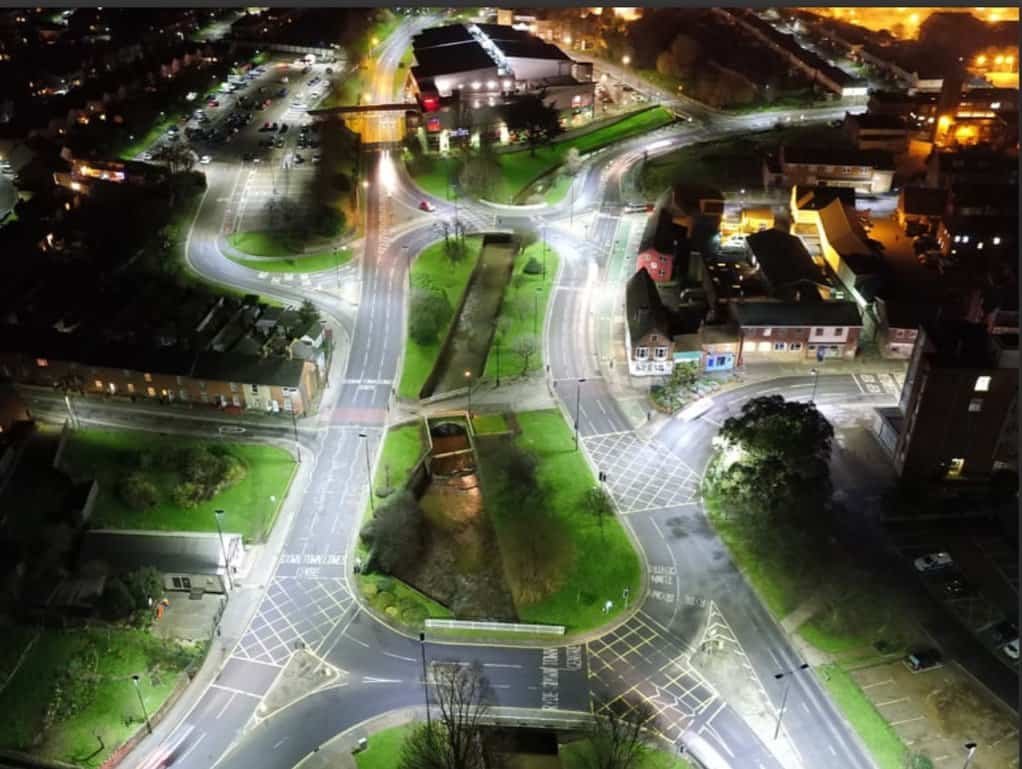
With practice, even large roundabouts like this become second nature.
How Humphreys Driving Lessons Can Help
At Humphreys Driving School, we’ll guide you through every type of roundabout you’ll encounter on the Isle of Wight — from small village junctions to complex multi-lane systems.
You’ll learn how to:
- Approach roundabouts calmly and confidently
- Choose the right lane and signal clearly
- Judge safe gaps and timing
- Stay aware of cyclists and larger vehicles
- Handle both mini and large roundabouts smoothly
By practising real local routes — including Newport, Coppins Bridge, Lake, Ryde, and Cowes — you’ll gain the experience and confidence needed to pass your test and drive safely for life.
Roundabouts on the Isle of Wight – FAQs for Learner Drivers
Do I always have to give way at roundabouts on the Isle of Wight?
Yes. On Isle of Wight roundabouts, you must give way to traffic approaching from the right, unless signs or road markings clearly state otherwise. This applies to busy locations such as Coppins Bridge (Newport
Which lane should I use at Isle of Wight roundabouts?
Lane choice depends on signs and road markings, but as a general guide:
Left lane: turning left or going straight ahead
Right lane: turning right or going full circle
Some Isle of Wight roundabouts use clear lane arrows, especially around Newport. Always follow signage first — examiners expect this.
When should I signal on a roundabout?
Turning left: signal left before entering
Turning right: signal right on approach, then left to exit
Straight ahead: usually no signal on approach; signal left after passing the exit before yours
Clear signalling is especially important on busier island routes where traffic flow can change quickly.
How do I judge a safe gap at busy Isle of Wight roundabouts?
Look right, then ahead, and assess whether entering would cause another driver to slow or alter course. At locations like Coppins Bridge, traffic may appear fast — don’t rush, but don’t wait unnecessarily either.
What speed should I approach a roundabout at during my driving test?
Approach at a speed that allows you to stop safely if needed. On many Isle of Wight roads, this means slowing earlier than you might expect and selecting the correct gear before reaching the give way line.
What if I choose the wrong lane on a roundabout?
Stay in your lane and continue safely. Do not cut across traffic. On the Isle of Wight, road layouts often allow you to re-route easily — examiners prefer safe decisions over last-minute corrections.
Do I need to signal when exiting a roundabout?
Yes. You should signal left as you pass the exit before the one you intend to take, unless road layout makes it impractical. This is closely observed on driving tests.
Are there spiral roundabouts on the Isle of Wight?
Yes. Some larger roundabouts, particularly around Newport, use spiral lane markings. Follow your lane carefully and avoid changing lanes unless markings clearly direct you to do so.
Why do learners find Isle of Wight roundabouts challenging?
Island roundabouts often combine:
Variable traffic speeds
Tourists unfamiliar with the roads
Multi-exit layouts
With structured practice, these become much easier to handle calmly and confidently.
What are driving examiners looking for at roundabouts?
Examiners assess:
Correct lane positioning
Effective observations
Safe gap selection
Clear signalling
Calm, controlled decision-making
You don’t need perfection — you need safe, predictable driving.
Ready to Master Roundabouts?
Roundabouts don’t have to be stressful. With the right approach and guidance, you’ll soon handle them with confidence and control.
Highway code rules on roundabouts (link)
👉 Book your driving lesson today and start learning how to approach, enter, and exit roundabouts safely — just like an experienced driver.