The Cockpit Drill & Use Of Controls
Driving Lessons in Ryde & across the Isle of Wight
Automatic and Manual Driving Lessons
Friendly & Patient Driving Instructors
⭐️⭐️⭐️⭐️⭐️ Rated 5/5 On Google by local learners
Grade A DVSA-Approved Driving Instructor
Introduction: First Step to Driving Confidence
Before driving — whether in a manual or automatic car — you must get set up correctly. This is where the cockpit drill (DSSSM) comes in. It’s a safety check that ensures the car is adjusted to you and ready for the road. Once you’ve mastered this, the next step is learning the controls, which differ slightly depending on whether you’re in a manual or automatic.
What Is the Cockpit Drill?
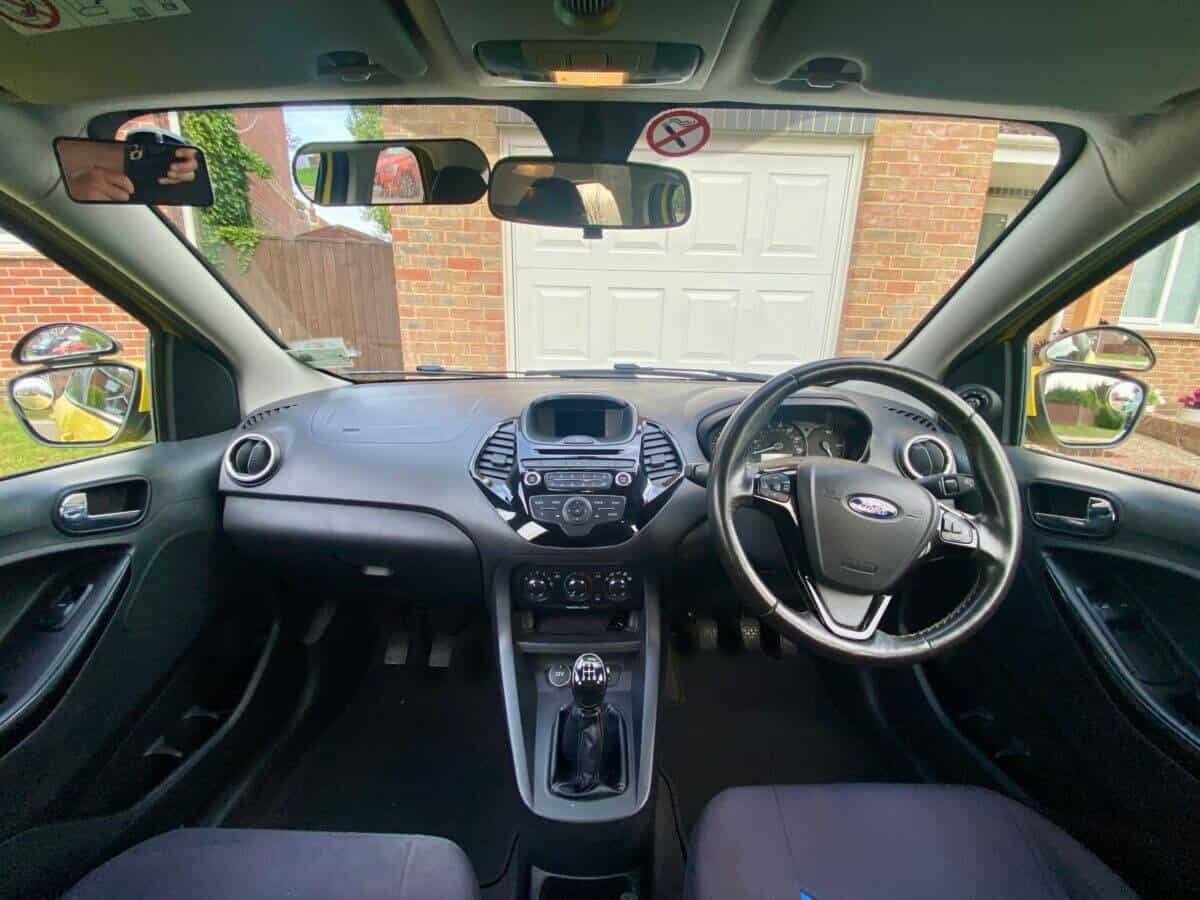
The cockpit drill is a simple routine you carry out before driving. Think of it as your pre-flight check before take-off. It ensures your car is safe, comfortable, and ready for you to drive. The sequence is easy to remember thanks to the acronym DSSSM.
D – Doors
Always check that all doors are properly shut and locked. This prevents them from flying open while driving. Many cars show a warning light on the dashboard if a door isn’t closed correctly.
S – Seat
Adjust your seat so that you can reach the pedals comfortably. Your knees should have a slight bend when pressing the pedals fully, and your back and shoulders should rest against the seat for support.
S – Steering
Adjust the steering wheel if needed. Your arms should have a relaxed bend when holding the wheel at either the “10-to-2” or “quarter-to-3” position. You should be able to turn it fully without overstretching.
S – Seatbelt
Fasten your seatbelt securely, ensuring it’s not twisted. It should lie across your collarbone and hips. Before setting off, always check that passengers are wearing theirs too.
M – Mirrors
Set your mirrors so you can clearly see behind and around your car.
- Interior mirror: Frame the entire rear window.
- Side mirrors: Angle them so you can just see the edge of your car, reducing blind spots.
This quick but essential routine applies to both manual and automatic cars
The Main Controls in a Manual Car
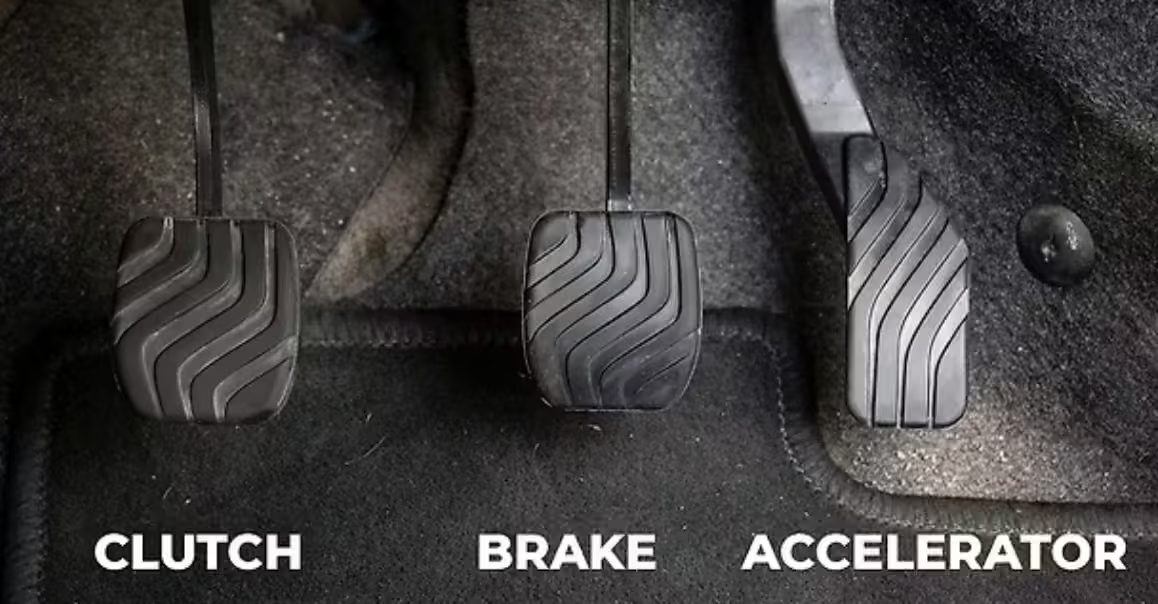
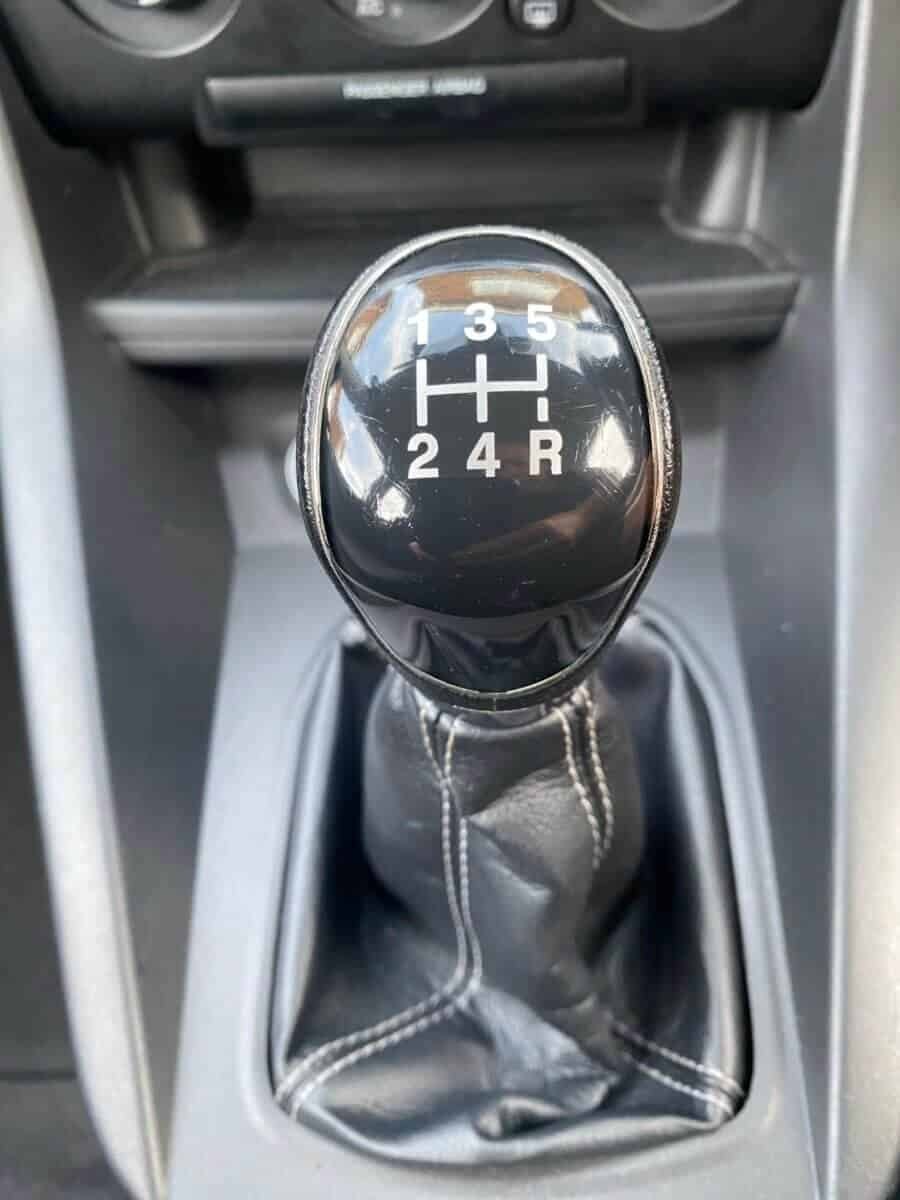
If you’re learning in a manual, you’ll need to become familiar with three pedals, the gear stick, and the handbrake.
- Clutch (left foot): Disconnects engine power from the wheels and allows you to change gear.
- Brake (right foot): Slows the car. Apply smoothly and progressively for safety.
- Accelerator (right foot): Increases speed. Gentle pressure is key to avoiding jerky movement.
- Gear Stick: Selects the appropriate gear for your speed. You’ll start by learning first gear and reverse.
- Handbrake (Parking Brake): Keeps the car stationary when parked or during hill starts.
Manual lessons give you complete control of the vehicle and, once you pass, allow you to drive both manuals and automatics.
The Main Controls in an Automatic Car
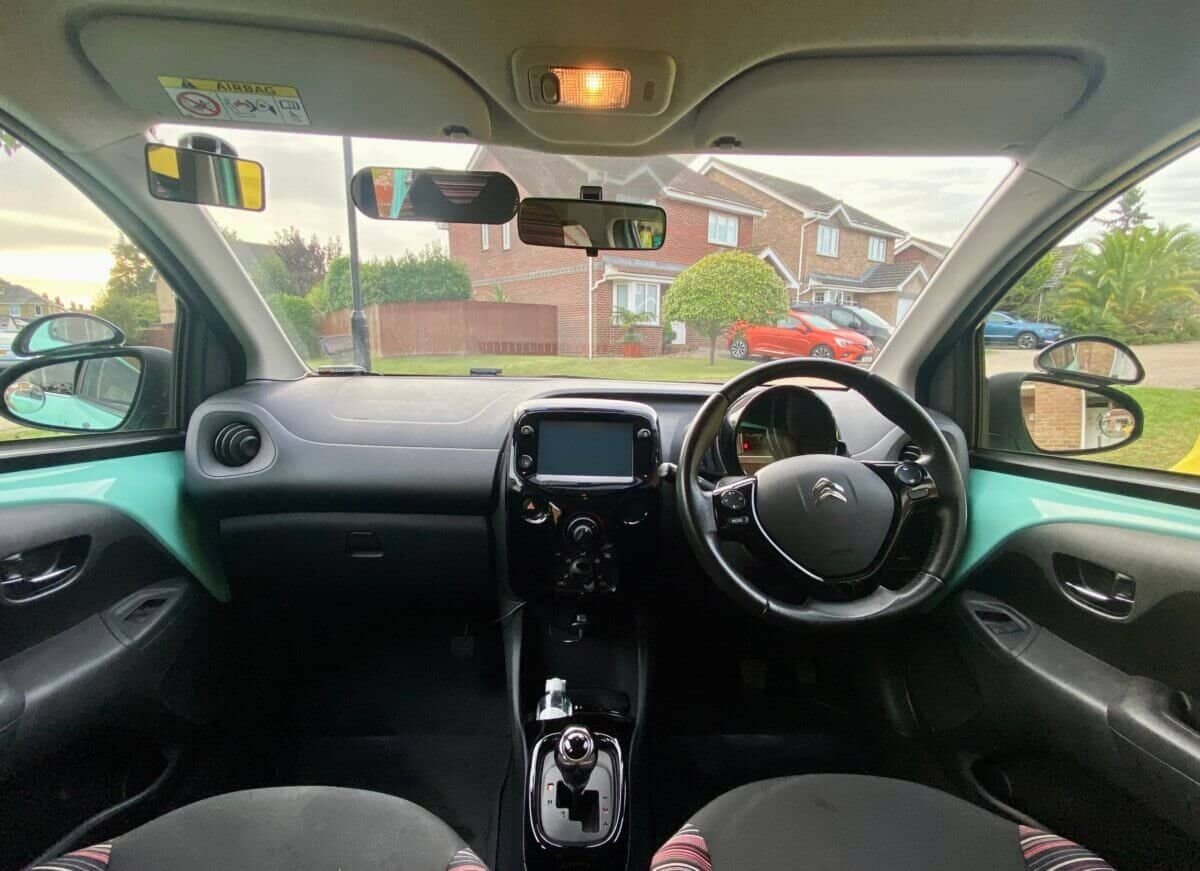
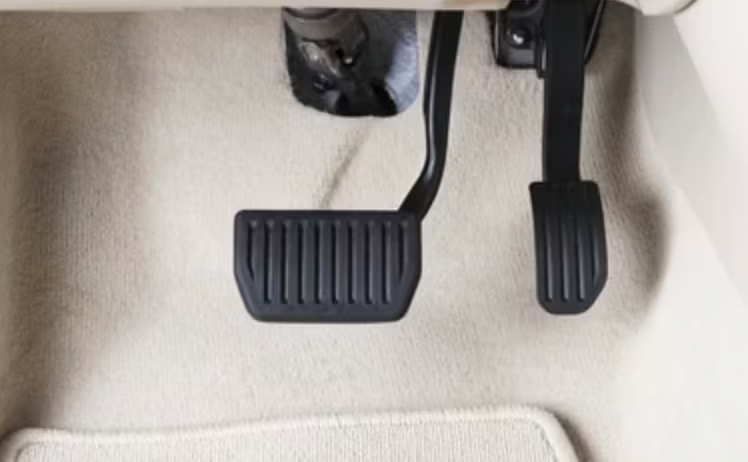
Automatic cars are simpler because they don’t have a clutch pedal. Instead, there are only two pedals and a gear selector.
- Brake (operated with right foot): Slows the car.
- Accelerator (operated with right foot): Increases speed.
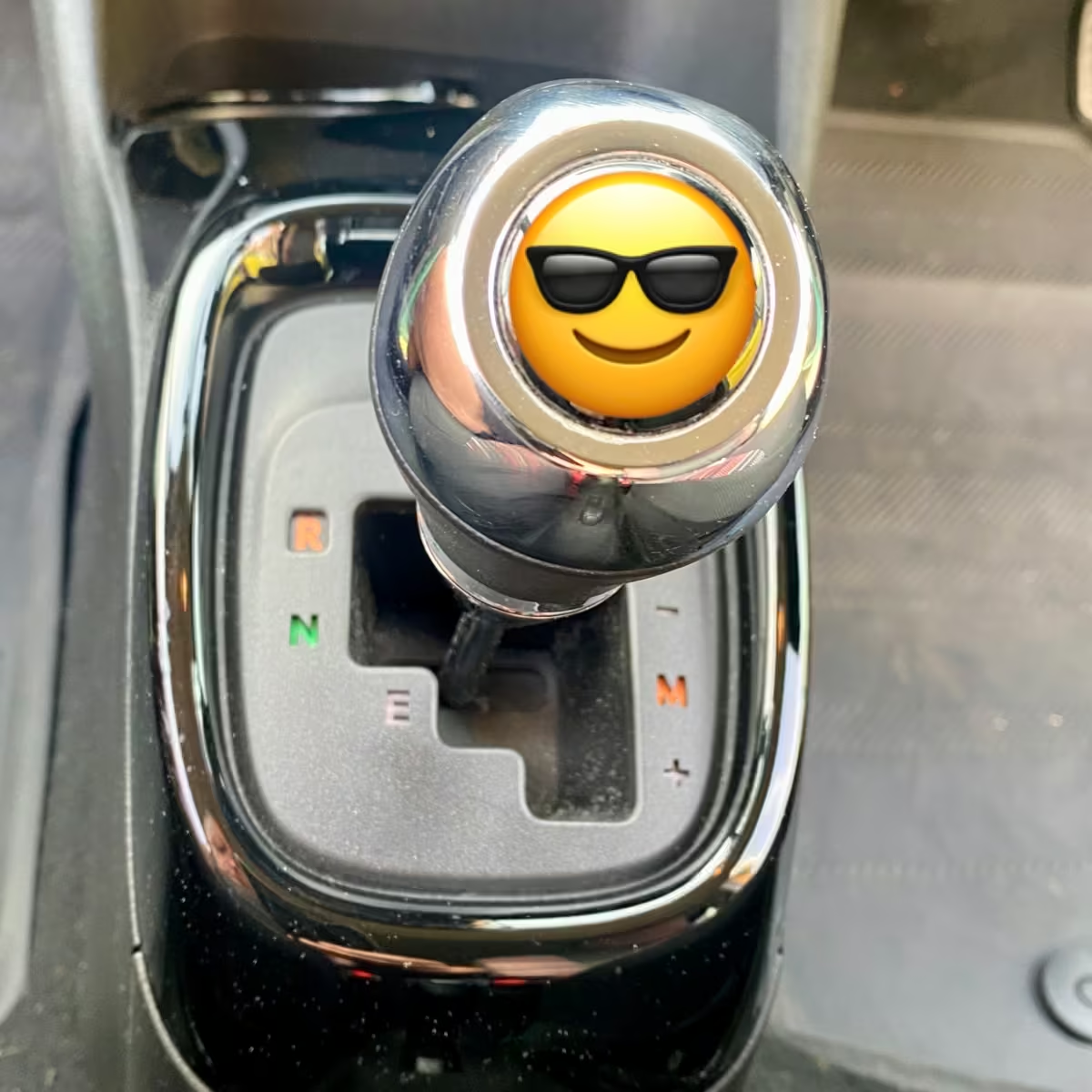
- Gear Selector Lever: Instead of gears 1–5, you’ll use:
- P – Park
- R – Reverse
- N – Neutral
- D – Drive
- Handbrake/Parking Brake: In newer cars, this may be an electronic switch rather than a lever.
Automatic lessons are often chosen by nervous drivers or those who want to make city driving easier.
Manual vs Automatic: Which Is Right for You?
- Manual driving lessons teach you full control of the car, are usually cheaper, and give you a licence to drive both manuals and automatics.
- Automatic driving lessons are easier for nervous drivers, better in stop-start city traffic, and help you focus more on steering and observation.
At Humphreys Driving School, we offer guidance for both manual and automatic learners so you can choose what suits you best.
❓ Frequently Asked Questions
Q: What is the cockpit drill?
A: The cockpit drill is a routine of safety and comfort checks that every driver should do before starting the engine. It ensures the car is safe to drive and that you are in the best position to control it. The main steps are often remembered by the acronym DSSSM.
Q: What does the acronym “DSSSM” stand for?
A: DSSSM is a simple way to remember the 5 key steps of the cockpit drill:
D – Doors
S – Seat
S – Steering
S – Seatbelt
M – Mirrors
Q: How do I know my seat is in the right position?
A: For a manual car, you should adjust your seat so you can press the clutch pedal all the way to the floor with a slight bend in your left knee. For an automatic, use the brake pedal as your guide. You should also be able to sit upright (not slumped or stretching) and comfortably reach the steering wheel.
Q: Is the cockpit drill different for an automatic car?
A: The drill is 99% the same. The only small difference is in the “Seat” part. Instead of using the clutch to find your position, you adjust your seat so you can comfortably press your foot on the brake pedal with a slight bend in your knee. All the other steps (Doors, Steering, Seatbelt, Mirrors) are identical.
Start Your Driving Journey
Whether you’re learning in a manual or automatic car, mastering the cockpit drill and controls is your first step to becoming a confident driver. At Humphreys Driving School, we’ll guide you through both, step by step.
Apply for your provisional driving license with this link DVSA
Call Today to book driving lessons 📞 07840 313390
👉 Ready to start? Book your first lesson today! 🚗💨
Please leave a message and we’ll call you back